Driving around San Antonio in July heat teaches you quickly that glass is not neutral. Sunlight cooks the cabin, seats fade, and the glare makes afternoon drives tense. Auto window tinting solves those problems, but choices, local rules, and installer skill all matter. This guide walks through what to expect, how to choose, and what questions to ask so you get a durable, legal, and useful tint job.
Why tint matters here San Antonio sits squarely in a hot, humid climate with lots of sun. Reducing solar heat brings immediate comfort and measurable fuel savings from shorter air conditioning cycles. Tinting also protects dashboard plastics and leather from UV fading, and certain films improve privacy and reduce interior glare for safer driving. Those benefits are real when the job is done right; a bad installation or illegal film can lead to fines and peeling that negates the advantage.
Basic terms you should know VLT, visible light transmission, is the percentage of visible light that passes through the glass after tint is applied. Lower VLT means darker tint. IR rejection refers to how much infrared heat the film blocks, and UV rejection indicates ultraviolet protection, often cited at 99 percent for quality films. Reflectivity measures how much visible light is reflected, which affects both appearance and whether the film draws attention from law enforcement.
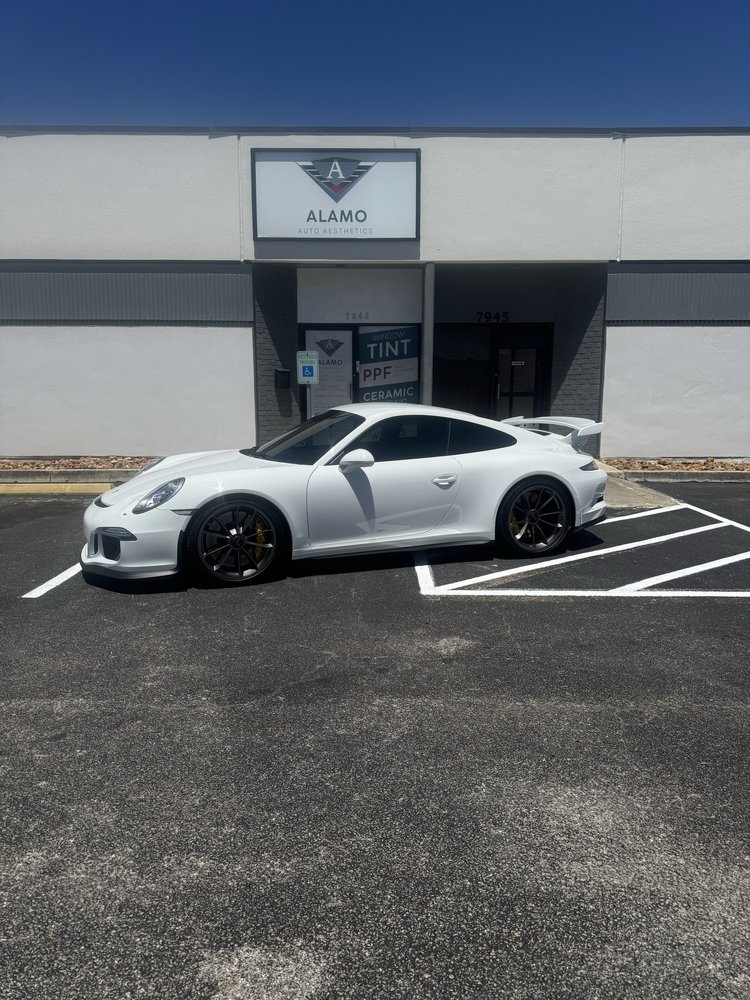
Common film types and trade-offs
Dyed film, low cost and mostly about cosmetic shading, reduces glare but offers limited heat rejection, and color can fade over years; Metallic film, adds heat rejection by reflecting heat and can strengthen glass slightly, but may interfere with radio, GPS, or mobile signals; Hybrid film, blends dyed and metallic layers to balance cost, heat rejection, and signal interference; Ceramic film, higher cost, performs best at blocking infrared heat while keeping good optical clarity and no signal interference, often lasting longer without discoloration.
Each option has a price and performance curve. Dyed film is affordable and fine for drivers on a tight budget who only want privacy and reduced glare. Ceramic costs more but is worth it for frequent drivers, those who park outdoors a lot, or owners of high-end interiors who want durable protection. Metallic films can be a good middle ground if you are aware of potential electronics issues.
San Antonio and Texas legal basics Traffic enforcement is local, and while state statutes set the baseline, interpretations can vary. A practical summary based on Texas statutes and enforcement patterns is this: front side windows generally must allow at least 25 percent VLT. Windshield tinting is limited to non-reflective tint above the manufacturer's AS-1 line. Rear side windows and rear windshields are subject to fewer restrictions on passenger vehicles, but commercial vehicles and certain local ordinances can differ. Reflective or mirrored films have separate rules and are more likely to draw attention.
I avoid exact citations here because statutes change, and local departments sometimes issue guidelines that alter enforcement. Before you install, call a reputable San Antonio installer and confirm the film's VLT and reflectivity meet current Texas law. Ask for documentation proving the film's VLT certification, and keep that card in the glove compartment. Installers who refuse to provide this paperwork are a red flag.
How to choose an installer in San Antonio The difference between factory-quiet installation and a botched job often comes down to technique and shop culture. I once watched a friend switch from a national chain to a small San Antonio shop, and the difference was dramatic. The chain applied a quality film but left tiny bubbles that never went away; the local shop hand-trimmed each edge, used a slower curing process suited to thick ceramic film, and the result lasted for years. That experience taught me to value craftsmanship and communication over the lowest bid.
When you shop for installers, look for:
- experience with multiple film types and a portfolio you can inspect on real cars; a clear warranty that covers bubbling, peeling, and adhesive failure for a defined period; shops that use wet installation for complex fixtures and heat-assisted techniques for higher grade films; a comfortable shop environment with clean bays and a test area so you can inspect the work in daylight; willingness to give a written VLT certificate and a breakdown of labor and parts.
The list above highlights practical shop behaviors, not marketing claims. Warranties matter. A lifetime warranty from a shop that goes out of business in two years is meaningless, so ask where manufacturer warranties are registered and whether transfer of warranty is possible if you sell the car.
Cost expectations and what affects price In San Antonio, expect a wide range. A basic four-window tint with dyed film might start around $150 to $250. Full-car coverage, higher grade metallic or hybrid films, runs $250 to $500. Ceramic film, depending on brand and whether you tint windshield and rear glass, often starts around $300 and can go to $700 or more for premium brands and SUVs with extra glass. Labor, the complexity of the vehicle's glass shapes, and whether the shop replaces factory trims all affect the bottom line.
Do not confuse price with quality. Some shops mark up brand names without offering better installation. Conversely, some independent installers offer excellent results at midrange pricing because they focus on craft and local reputation rather than national marketing.
Performance claims to evaluate Manufacturers advertise numbers for heat rejection, UV blocking, and visible light transmission. Check the UV figure first. Most quality films block at least 99 percent of UV, which is the main driver of fading and skin damage. For heat rejection, ask whether the number is total solar alamoautoaesthetics.com window tinting in san antonio tx energy rejected, or only IR rejection. Total solar energy rejection is most meaningful for cabin comfort. A film that claims 50 to 70 percent total solar energy rejection is doing solid work; films claiming 90 percent should be interrogated for testing methods and context.
Signal interference is a real concern with metallic films. If you rely on in-car Wi-Fi, toll transponders, GPS, or satellite radio, discuss this with the installer. Ceramic films avoid this problem but cost more.
Installation steps you should expect A competent installer will measure and test-apply film on one window before starting the entire car, especially for expensive films. They will remove and reinstall interior trim when needed, clean seals, blow out channels to avoid trapped moisture, and trim the film precisely to the glass edge with a slight tuck into seals for longevity. Expect a curing period. Film may look slightly cloudy at first and clear up over several days to a few weeks as the adhesive sets and solvents evaporate. Ask the shop how long they recommend waiting before rolling your windows fully, and follow that guidance.
What to ask before signing Use the following concise checklist when you call or visit shops. These questions separate competent shops from risky ones.
What is the exact VLT and reflectivity of the film option, and can you show a VLT certification card; Is there a written warranty, what does it cover, and how long has the manufacturer been in business; Will installation include removal and reinstallation of interior trim and sealing of window channels; How long is the expected curing period before I should roll windows or wash the car, and what post-install care do you recommend; Can you show recent examples of your work and provide local references or online reviews.Care and maintenance after installation Avoid automatic car washes with strong brushes for the first two weeks, and do not roll windows down fully during the initial cure unless the shop explicitly approves it. After curing, clean with a mild ammonia-free cleaner and a soft microfiber. Avoid razor scrapers on the inside surface. If you spot bubbling or lifting within the warranty period, return to the shop promptly. Small repairs are far easier to fix early than after a year of exposure.
Edge cases and special situations SUVs, vans, and vehicles with quarter windows or small triangular glass panels increase installation complexity and price. Classic cars with vent windows require a shop familiar with older glass and seals. Aftermarket accessories, such as dash cams suction-cupped to the windshield, can stress film edges if installed without care. Tinted windshields can reduce clarity at night if the film is too dark or poorly cut along the top; many owners choose a narrow strip above the AS-1 line rather than tinting the entire windshield.
If you drive commercial routes or your vehicle is inspected frequently, verify whether tint impacts any inspection criteria. Fleet managers sometimes set their own standards that are stricter than state law.
Finding “window tint near me” without getting burned Search is useful, but reputation is everything. Look for shops that allow inspection under daylight, have photos of recent work, and display certificates for the brands they sell. Local forums such as San Antonio Facebook groups, neighborhood apps, and community boards can reveal shops that stand behind their work. Beware of mobile installers who promise fast, cheap installs out of the back of a van. Some mobile techs are excellent, but the lack of a stable business address complicates warranty issues.
A final practical example I helped a family member pick film for a 2016 crossover used for school runs and long weekend drives. The priorities were UV protection, visible clarity for driving safety, and minimal signal interference because she uses Bluetooth heavily. Ceramic film at mid-range price hit the right balance. The shop provided a VLT card, a written five-year warranty against bubbling and delamination, and asked her to avoid rolling windows for five days. The result cut perceived cabin heat substantially, stopped dashboard cracking in a car that had already begun slight fading, and preserved in-car electronics. The upfront cost was higher, but the peace of mind and reduced long-term sun damage justified it.
Final notes on value Auto window tinting in San Antonio is both a practical upgrade and an investment in comfort and interior preservation. The key variables are film type, installer quality, and legal compliance. Spend time with installers, compare written warranties, and mentally prioritize heat rejection and UV blocking over pure darkness. If you want immediate next steps, pick two reputable local shops, compare the film spec sheets they offer, confirm VLT certificates, and ask for a written warranty before committing. With the right choices, a properly installed tint will pay dividends in comfort and preserved resale value window tinting san antonio for years.
Alamo Auto Aesthetics PPF, Tints, Wraps 7943 Mainland Dr, San Antonio, TX 78250, United States +1 210-361-3765 https://alamoautoaesthetics.com/ Instagram: https://www.instagram.com/alamoautoaesthetics Facebook: https://www.facebook.com/profile.php?id=61576817309936 YouTube: https://www.youtube.com/@Alamoautoaesthetics Tiktok: https://www.tiktok.com/@alamoautoaesthetics
Alamo Auto Aesthetics PPF, Tints, Wraps 7943 Mainland Dr, San Antonio, TX 78250, United States +1 210-361-3765 Website: https://alamoautoaesthetics.com/